
AI Image Model That Runs Locally on Mobile
PrismML brought image generation to smartphones with Bonsai Image 4B, NVIDIA launched a trillion-parameter AI desktop, and Shift turned home cleaning into robotics training data.

This week in AI, the industry is pushing beyond cloud-based models and digital assistants toward a future where AI runs locally, powers enterprise-scale innovation, and learns directly from the physical world. The focus is shifting toward making AI more accessible, efficient, and deeply integrated into everyday life.
PrismML launched Bonsai Image 4B, a highly compressed image-generation model that runs directly on devices like iPhones, Macs, and laptops. The model reduces storage requirements by up to 8.3× while maintaining strong image quality, enabling fast, private, and offline AI image generation.
NVIDIA unveiled DGX Station for Windows, a powerful AI workstation designed to run frontier AI models with up to one trillion parameters. The system brings data-center-level AI performance to enterprise desktops, making advanced AI development more accessible.
Startup Shift launched a free apartment-cleaning service in New York City that collects anonymized task data while operators clean homes. The data will be used to train robotics and AI systems, helping develop more capable household robots and autonomous assistants.
Together, these developments show how AI is expanding beyond centralized cloud services into personal devices, enterprise desktops, and real-world environments—creating the foundation for a new generation of intelligent systems that are more efficient, scalable, and deeply embedded in daily life.
One Small Model, One Giant Leap for AI Imaging
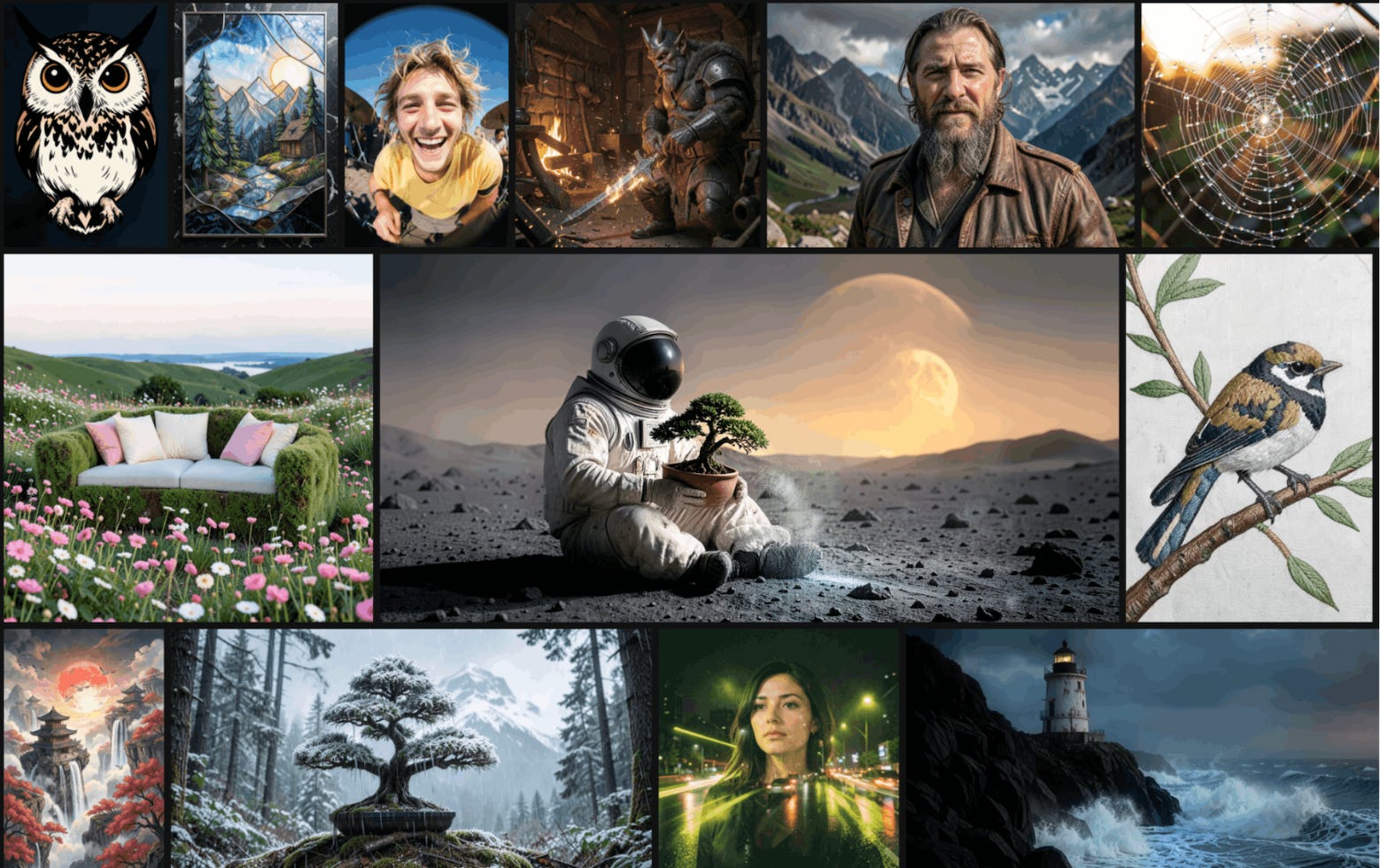
AI startup PrismML has introduced Bonsai Image 4B, a new family of compressed image-generation models desiged to run directly on consumer devices such as iPhones, Macs, laptops, and GPUs without relying heavily on cloud infrastructure. The release includes two versions: a 1-bit model focused on maximum compression and a ternary model that prioritizes image quality while remaining highly efficient. The models reduce the size of a 4B-parameter diffusion transformer by up to 8.3×, shrinking it from 7.75 GB to just 0.93 GB while maintaining strong image-generation performancWhat makes Bonsai Image 4B notable is its ability to bring advanced AI image creation directly to mobile devices. According to PrismML, it is the first image model in its class capable of running natively on an iPhone, generating 512×512 images in under 10 seconds on an iPhone 17 Pro Max. By enabling local image generation, the model offers benefits such as improved privacy, lower latency, offline functionality, and reduced cloud-computing costs. The announcement highlights a growing trend toward powerful AI systems that run efficiently on personal devices rather than exclusively in data centers.
NVIDIA Brings AI Supercomputing to the Windows Desktop
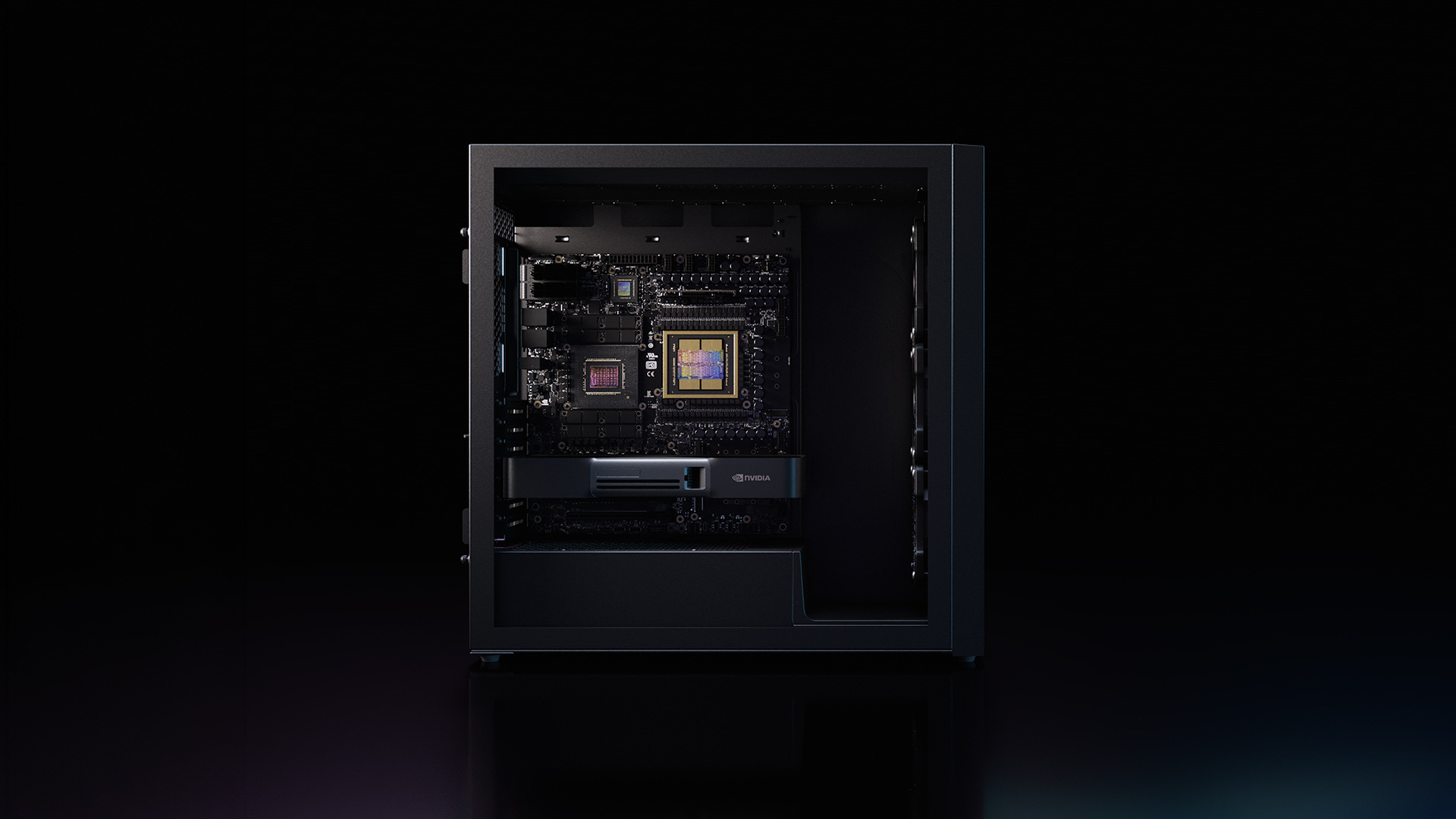
NVIDIA has unveiled DGX Station for Windows, a powerful deskside AI supercomputer designed to run frontier AI models with up to one trillion parameters directly on enterprise desktops. Powered by the new GB300 Grace Blackwell Ultra Superchip, the system delivers data-center-class performance with up to 748GB of coherent memory and 20 petaFLOPS of AI compute. Unlike traditional AI infrastructure that relies on Linux-based data centers, DGX Station integrates seamlessly into Windows environments, allowing developers, researchers, engineers, and enterprises to build, fine-tune, and deploy advanced AI agents locally. NVIDIA is also introducing OpenShell, a secure runtime that enables autonomous AI agents to operate safely within enterprise workflows. The workstation is expected to launch in Q4 through partners including ASUS, Dell, HP, MSI, GIGABYTE, and Supermicro, marking a major step toward bringing large-scale AI development directly to the desktop.
Shift Launches Free Home Cleaning to Power the Next Generation of Robotics
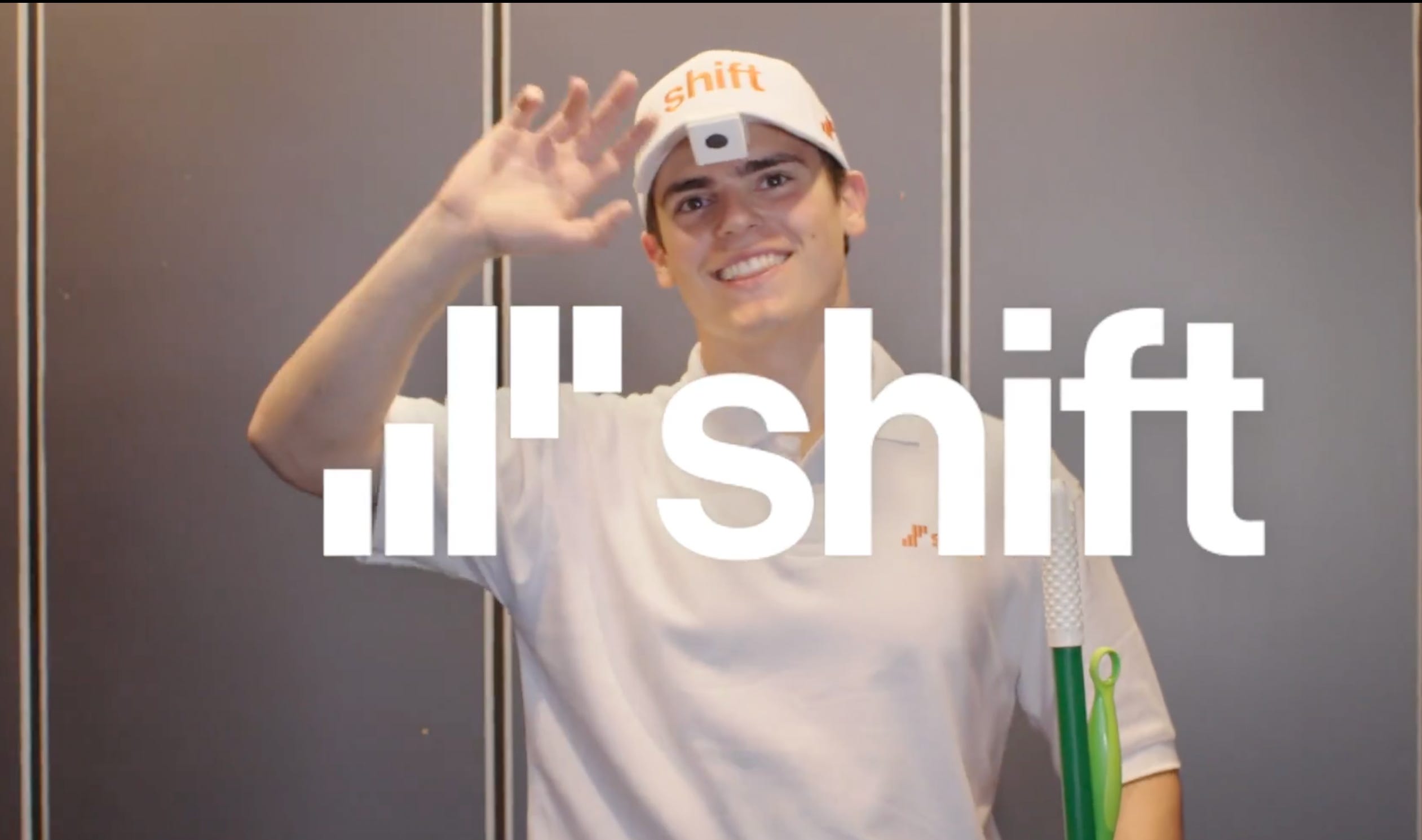
Startup Shift has launched an unusual service in New York City: free apartment cleaning in exchange for data. Customers can book a cleaning session at no cost, and a vetted Shift operator arrives wearing specialized recording equipment while performing the task. The collected data is then used to help train robotics and AI systems to better understand how humans carry out everyday household work. According to the company, any personal information captured during the process is anonymized before being used for AI development. The idea reflects a broader trend in robotics, where high-quality real-world data is becoming one of the most valuable resources for building capable autonomous systems. Rather than paying users directly for data, Shift turns the exchange into a practical service free cleaning today in return for training data that could help power future household robots. The company says cleaning is only the beginning, with plans to expand into handyman services, repairs, errands, and other everyday tasks, aiming to bring tangible AI-powered benefits directly into people’s daily lives
One Small Model, One Giant Leap for AI Imaging
AI startup PrismML has introduced Bonsai Image 4B, a new family of compressed image-generation models desiged to run directly on consumer devices such as iPhones, Macs, laptops, and GPUs without relying heavily on cloud infrastructure. The release includes two versions: a 1-bit model focused on maximum compression and a ternary model that prioritizes image quality while remaining highly efficient. The models reduce the size of a 4B-parameter diffusion transformer by up to 8.3×, shrinking it from 7.75 GB to just 0.93 GB while maintaining strong image-generation performancWhat makes Bonsai Image 4B notable is its ability to bring advanced AI image creation directly to mobile devices. According to PrismML, it is the first image model in its class capable of running natively on an iPhone, generating 512×512 images in under 10 seconds on an iPhone 17 Pro Max. By enabling local image generation, the model offers benefits such as improved privacy, lower latency, offline functionality, and reduced cloud-computing costs. The announcement highlights a growing trend toward powerful AI systems that run efficiently on personal devices rather than exclusively in data centers.
NVIDIA Brings AI Supercomputing to the Windows Desktop
NVIDIA has unveiled DGX Station for Windows, a powerful deskside AI supercomputer designed to run frontier AI models with up to one trillion parameters directly on enterprise desktops. Powered by the new GB300 Grace Blackwell Ultra Superchip, the system delivers data-center-class performance with up to 748GB of coherent memory and 20 petaFLOPS of AI compute. Unlike traditional AI infrastructure that relies on Linux-based data centers, DGX Station integrates seamlessly into Windows environments, allowing developers, researchers, engineers, and enterprises to build, fine-tune, and deploy advanced AI agents locally. NVIDIA is also introducing OpenShell, a secure runtime that enables autonomous AI agents to operate safely within enterprise workflows. The workstation is expected to launch in Q4 through partners including ASUS, Dell, HP, MSI, GIGABYTE, and Supermicro, marking a major step toward bringing large-scale AI development directly to the desktop.
Shift Launches Free Home Cleaning to Power the Next Generation of Robotics
Startup Shift has launched an unusual service in New York City: free apartment cleaning in exchange for data. Customers can book a cleaning session at no cost, and a vetted Shift operator arrives wearing specialized recording equipment while performing the task. The collected data is then used to help train robotics and AI systems to better understand how humans carry out everyday household work. According to the company, any personal information captured during the process is anonymized before being used for AI development. The idea reflects a broader trend in robotics, where high-quality real-world data is becoming one of the most valuable resources for building capable autonomous systems. Rather than paying users directly for data, Shift turns the exchange into a practical service free cleaning today in return for training data that could help power future household robots. The company says cleaning is only the beginning, with plans to expand into handyman services, repairs, errands, and other everyday tasks, aiming to bring tangible AI-powered benefits directly into people’s daily lives.
Hand Picked Video
In this video, we’ll look at a powerful AI skill that helps you write research papers without fake citations, generic content, or hours of editing. It reads your actual project, structures your ideas, and generates a clean, reliable draft that reviewers can trust. If you’re struggling with AI hallucinations or stuck staring at a blank document, this will completely change how you write papers.
Top AI Products from this week
Brief - AI agents can ship quickly, but without the right product context, they’re often flying blind. Brief gives product teams a living source of truth that captures decisions, preserves product intent, and serves relevant context to humans and agents through chat, Slack, CLI, and MCP.
Enshittifier - The Mac app started as a dumb question: can you use font ligatures to turn AI into? Turns out yes. Ironically, I used AI to figure out how. The Chrome extension came after web fonts don’t always cooperate.
Knock agent for Slack - Knock is the agent-led customer engagement platform for managing all the messages your users receive across channels. After connecting Knock to Slack, simply tag.
Gigacatalyst - Gigacatalyst.com’s AI builder learns your APIs and embeds in your product, so your sales and CS teams can build missing features that customers need to your platform.
Fundraisly - Fundraisly: ultimate AI agent for fundraising. It analyzes 300K+ investors and millions of deals, identifies the relevant ones actively investing in your space, maps warm paths to them from your own network, then covers the rest with targeted cold outreach.
Paste MCP & AI Tools - Privacy-first, lightning fast, searchable, and avaialbe across all devices. Save snippets, sync securely, and boost productivity with smart shortcuts and instant paste history.
This week in AI
Inherent AI for Scientific Discovery - Building AI agents that generate new knowledge, Inherent is reimagining scientific research with human-AI collaboration, recursive improvement, and a $50M seed round backing its vision.
Rosalind Biodefense - OpenAI launched Rosalind Biodefense, giving trusted researchers and public health teams access to GPT-Rosalind to improve pandemic preparedness, early detection, and biodefense capabilities.
NVIDIA Brings AI Agents to PCs - NVIDIA and Microsoft are bringing AI agents to Windows PCs with RTX-powered tools and Project G-Assist, enabling local AI workflows, automation, and faster on-device intelligence.
MiniMax M3 Unveiled - MiniMax M3 is an open-weights AI model combining frontier coding, agentic reasoning, 1M-token context, and native multimodal capabilities, setting a new benchmark for open AI.
Grok Build 0.1 - xAI launched Grok Build 0.1, a fast agentic coding model built for development, debugging, and automation. With 100+ tokens/sec performance, it powers next-generation AI coding workflows
Paper Of the day
Researchers have introduced a new AI framework that focuses on improving how complex systems reason, collaborate, and solve problems through structured interactions rather than relying on a single model. The approach enables multiple specialized agents to work together more efficiently, sharing information and refining solutions iteratively. By optimizing communication and decision-making across agents, the system achieves higher accuracy while reducing computational overhead and token usage. Experimental results across tasks such as mathematics, science, coding, and reasoning show notable performance gains compared to traditional single-agent and multi-agent methods. This work highlights a growing trend in AI research: scaling intelligence through coordinated collaboration, making future AI systems faster, more reliable, and better suited for complex real-world problem solving.
Read this whole paper 👉 here