
OpenAI Just Put Codex in Your Pocket
AI is evolving fast OpenAI brought Codex mobile, Tavus turned photos into AI humans, and xAI launched Grok Build for autonomous coding and workflow automation.

This week in AI, the industry is rapidly moving beyond simple chatbots toward AI systems that can code autonomously, create realistic digital humans, and operate as full development partners. The focus is no longer just generating text it’s about building AI that can actively execute tasks, collaborate with users, and function across real-world creative and technical workflows.
OpenAI expanded Codex to mobile, allowing developers to manage AI coding agents remotely through the ChatGPT app while monitoring tasks, approvals, and live development workflows from anywhere.
Tavus introduced Image-to-Replica, a new system that can transform a single photo into a realistic conversational AI avatar capable of speaking, reacting, and interacting naturally in minutes.
xAI launched Grok Build, an AI coding agent designed for terminal-based software engineering, automation, and workflow execution with planning, repository analysis, and command-level control.
Together, these developments show how AI is evolving into always-available digital collaborators that can code, create human-like interactions, and execute complex workflows across devices and environments.
Make Your AI-Generated Interfaces Feel Premium with ui-animation
Animations can make or break how a product feels. The ui-animation skill helps AI coding agents generate smooth, accessible, and performance-focused UI motion without relying on random animation patterns.
Built for modern frontend workflows, this skill gives AI agents structured guidance for transitions, spring physics, Framer Motion, drag interactions, stagger effects, modals, tooltips, drawers, and more while enforcing real-world UX standards like prefers-reduced-motion, interruptible animations, and transform-only motion.
It also helps prevent common frontend mistakes such as:
transition: allanimating layout properties
permanent
will-changesluggish easing curves
non-performant drag interactions
Perfect for teams using Cursor, Claude Code, Windsurf, Copilot, Lovable, Bolt.new, v0, Replit Agent, and other AI coding tools.
Codex Can Now Code for You From Anywhere
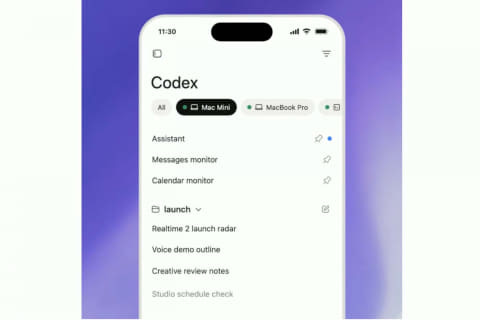
OpenAI has officially brought Codex to the ChatGPT mobile app, allowing developers to manage and interact with AI coding agents directly from their phones. With this new update, users can start coding tasks, review outputs, approve commands, monitor test results, and guide long-running development workflows remotely while Codex continues working on connected laptops, devboxes, or remote environments. The system syncs live screenshots, terminal outputs, diffs, and project context to mobile devices without exposing local files or credentials publicly. OpenAI says more than 4 million people now use Codex every week, highlighting how AI coding agents are evolving into always-running collaborative assistants rather than simple coding tools. The feature is currently rolling out in preview for iOS and Android users across all ChatGPT plans, with Windows support coming soon.
Turn Any Photo Into a Talking AI Avatar

Tavus has introduced a new Image-to-Replica feature that can transform a single image into a realistic AI human replica in just minutes. Instead of recording long training videos, users can now upload a clear headshot, choose a voice, and generate an AI avatar capable of speaking, reacting, and holding conversations naturally. The system is powered by Tavus’ Phoenix model, designed to create lifelike facial expressions, lip-syncing, and emotional responses for conversational AI experiences. While video-based training still delivers the highest realism, this new image-based workflow makes AI human creation much faster and more accessible for creators, businesses, educators, and developers building interactive AI applications. ()
xAI Just Entered the AI Coding Agent Race
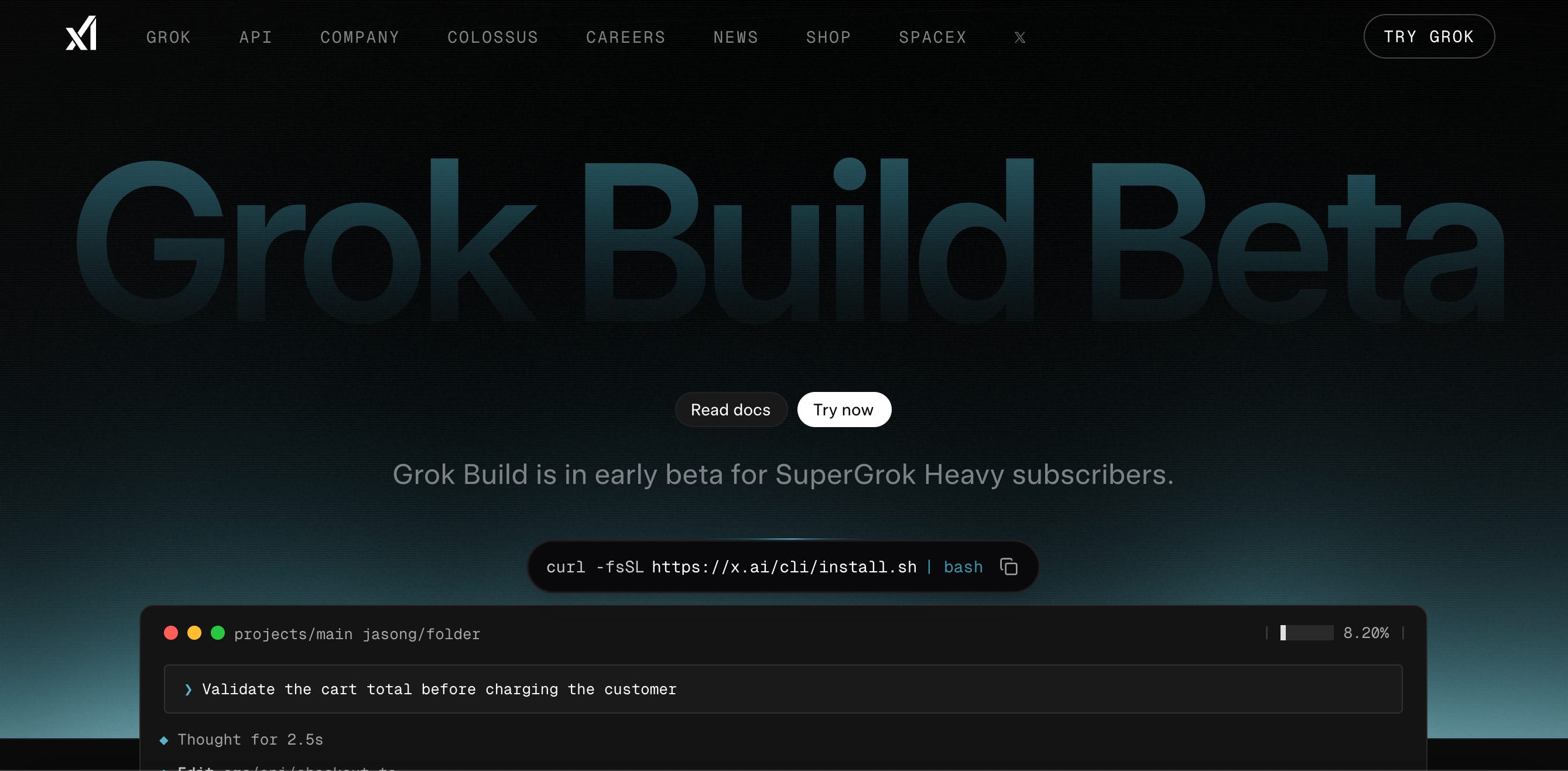
xAI has officially launched the early beta of Grok Build, a new AI coding agent that works directly inside the terminal for professional software engineering and automation tasks. Designed as an “agentic CLI,” Grok Build can plan projects, write and edit code, execute commands, analyze repositories, and automate workflows through natural language instructions. One of its standout features is Plan Mode, which lets developers review, approve, or modify execution steps before the AI starts making changes. The tool also supports MCP servers, plugins, hooks, and automation workflows, positioning it as a direct competitor to OpenAI’s Codex CLI and Anthropic’s Claude Code. Currently, Grok Build is available in early beta for SuperGrok Heavy subscribers as xAI continues refining the platform through user feedback.
Hand Picked Video
In this video, we’ll look at how to use Claude AI Design to create stunning product demo videos using simple prompts, screenshots, and website details. We’ll explore how Claude Design works as a powerful design AI tool for building demo videos, product presentations, and visual storytelling without needing advanced editing skills.
Top AI Products from this week
Lensmor - Unlike generic contact databases, Lensmor starts with exhibitor data, helping teams discover relevant events, find exhibiting companies, identify decision-makers, reveal verified emails, and book meetings before the show begins.
HasData - HasData is the managed web scraping service for data pipelines and AI agents. Send any URL, get clean JSON or Markdown back in one API call. We handle proxies, browser rendering, retries, and anti-bot. 50+ ready scrapers cover Google Search, Maps, News, Zillow, Indeed, and major e-commerce.
Stella - A self-hosted Proactive AI Assistant that lives inside your machine and works 24/7 for your daily execution. It autonomously interprets tasks, plans actions, and executes them to achieve your goals. It learns your objectives, proactively helping you plan and initiate tasks to achieve your life goals.
OpenHuman - 90% of people who try AI agents give up. Three reasons: memory that resets every session, your data sitting in someone else’s cloud and a terminal just to get started. Real blockers. OpenHuman fixes all of it. Local-first, privacy-first.
PHBench - PHBench: the first public benchmark predicting Series A funding from Product Hunt launch signals. We analyzed 67,292 featured launches over 7 years, linked to 528 verified Series A rounds via Crunchbase. Champion model: 4.7x lift over random.
mia - Allowing product managers to turn their customer signals into ship-ready requirements for AI to develop.
This week in AI
Runway Agent Is Here - Runway launched Runway Agent, an AI creative partner that can ideate, edit, sound design, and generate complete videos through simple conversations for ads, shorts, and social content.
OpenAI Hit by npm Attack - OpenAI confirmed two employee devices were compromised in the TanStack npm supply-chain attack, but says no user data or production systems were affected
Claude Adds Agent SDK Credits - Anthropic will give Claude Pro, Max, Team, and Enterprise users monthly Agent SDK credits for AI agents, automation apps, GitHub Actions, and
claude -pusage.Claude Expands Agent Access - Anthropic now includes monthly Claude Agent SDK credits with Pro, Max, Team, and Enterprise plans, making AI agents and automation tools easier to build and run.
Paper Of the day
A new research paper on arXiv introduces APWA, a distributed framework designed to improve how AI agent systems collaborate on complex tasks. Instead of relying on a single sequential workflow, the architecture allows multiple AI agents to process subtasks in parallel, helping reduce latency and improve scalability for advanced reasoning and execution. The researchers propose a coordination system that dynamically distributes workloads between agents while maintaining communication and task synchronization. The approach could help future AI systems handle large-scale automation, software engineering, research assistance, and enterprise workflows more efficiently as multi-agent AI becomes more common in real-world applications.
Read this whole paper 👉 here